thelifediy.com
Random Posts
LOAD MORE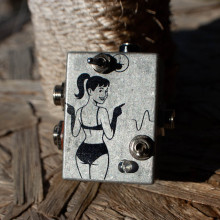
Guitar Pedals: 1 Splitter pedal: Two guitar amps at once
A tiny active splitter for running two guitar amps at once, with buffering, ground lift, and phase correction built in.
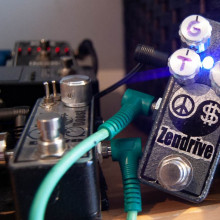
Pedal Progression: 3 Zendrive
Pedal Progression moves on to a Hermida Zendrive rebuild, fixing old enclosure mistakes while keeping the fuller overdrive voice intact.
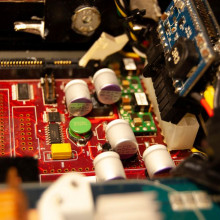
Amiga Next-Gen Build: 2 Motherboard repair & power supply
The second Amiga Next-Gen Build entry chases heat-related instability through motherboard repair and power-supply suspicion.
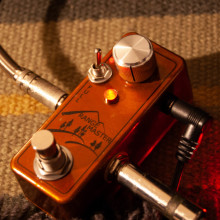
Pedal Progression: 1 Range Master
Pedal Progression starts with a rebuilt Range Master treble booster using vintage parts, protection circuitry, and a polished new housing.
Guitar Pedals: 3 Fixing a Temu digital delay
A Temu guitar pedal… Well, 5 euro (or USD) is not a lot for a pedal, so I tried this one out, but it arrived broken. I got a refund, but then thought: let’s try to fix it anyway.
Interesting design, it’s made on two pcb’s the thinnest and flomsiest pcbs I ever saw, and they come with a fix from factory due to a built in error. The red wire, jumping power to the right spot
The error turned out to be several misstages in a voltage devider so the opamp could not function. But could retrieve the neccesary voltage from another chip the pt2399 surface mount equivalent.
Not bad though, theese pedals, cost next to nothing, in essence same price as the footswitch alone (if it wasn’t a cheap copy). And for that you get a robust metal enclosure, true bypass switching and a decent circuit, if it wasn’t broken that is. I suppose the thin pcb might flex and cause a trace or two to brake down the line but as is, not too much to complain about. There is also a blog post I noted about nodding theese, so some inexpensive fun experimentation can be had, although you need a steady hand, and the right tools to work on the scale of theese tiny parts.
Continue in this series
More in Guitar & Pedals